Posted on Leave a comment

Kiki’s Salsa-Loaded Meatloaf

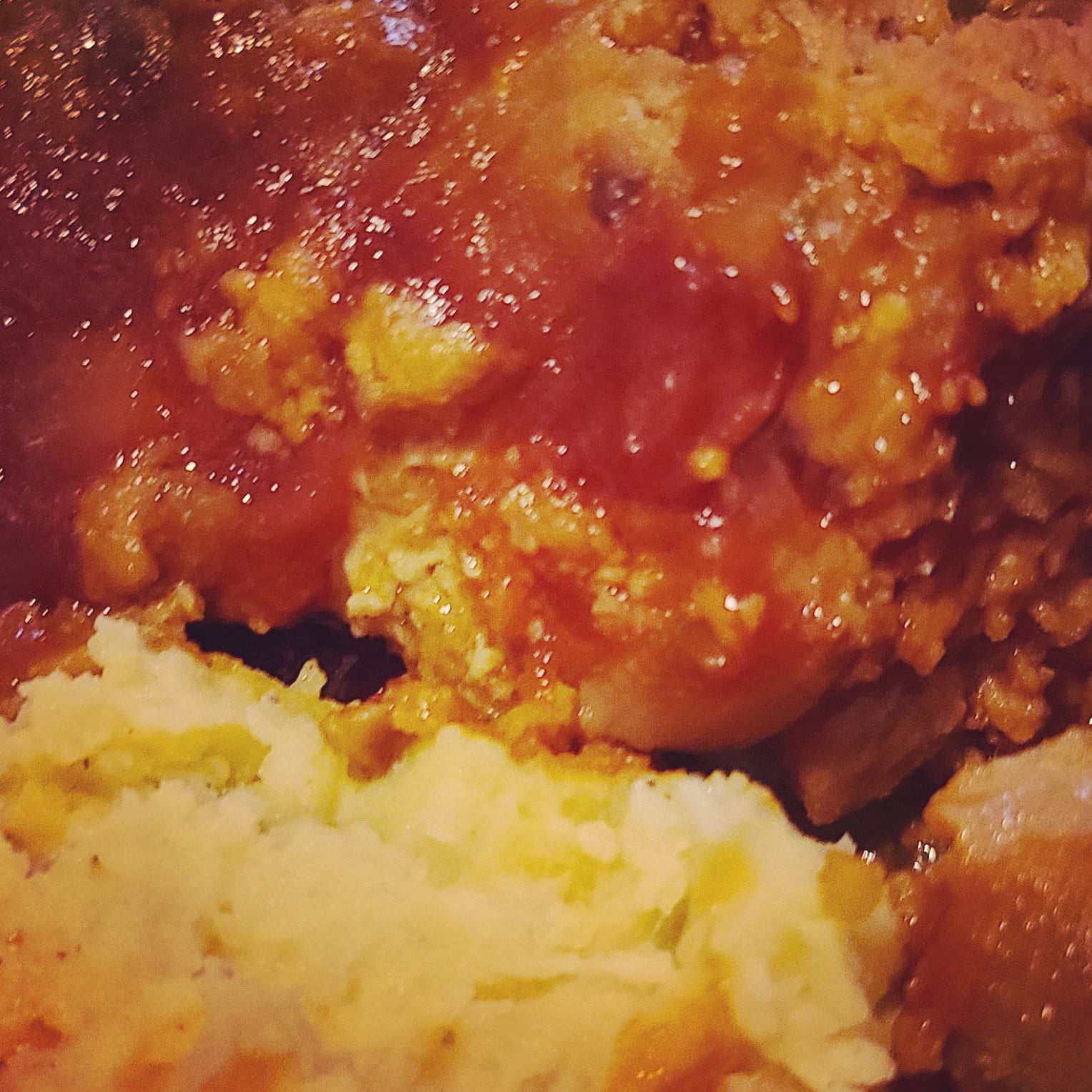
What do you fix for dinner when you have ground beef but can’t decide if you want tacos or meatloaf? Mija recently solved that dilemma at our house by making a wonderful Salsa-Loaded Meat Loaf.

Ingredients

Meatloaf

2 tablespoons olive oil

1 onion chopped

1 garlic clove, minced

1 pound ground beef

½ cup salsa

¾ teaspoons salt

¼ teaspoon ground black pepper

1/8 teaspoon ground guajillo pepper

½ teaspoon cumin

2 eggs, beaten

¼ cup ketchup

¼ cup sour cream, Mexican crema, or a mix of both

½ cup dried breadcrumbs

½ cup shredded cheddar (or other melting cheese)

Glaze

½ cup ketchup

½ cup salsa (jarred is fine)

¼ cup brown sugar

1 tablespoon Salsa Lizano

Directions

Preheat oven to 375 degrees Fahrenheit.

Heat oil in skillet over medium high heat. Add onion, then garlic. Be careful not to burn the garlic. Cook until soft, approximately 7 minutes.

Combine in a large bowl:  the sautéed onion, garlic, and ground beef.

Combine in a medium bowl:  eggs, salt, pepper, ground guajillo, and cumin in a medium bowl. Add the ketchup, salsa, and sour cream. Mix together with a large fork.

Back to the large bowl:  pour the egg and spice mixture over the ground beef. Add the breadcrumbs and thoroughly mix by hand.

Place half of the meat loaf mixture into a greased a 9×13 loaf pan. Spread the cheese over it. Then cover the cheese with the remaining meat loaf mixture.

Bake the meat loaf approximately 45 minutes. Ground meat must cook to an internal temperature of 160 degrees Fahrenheit to be safe. Carefully remove the pan from the oven. Pour any excess juices/grease into a heat safe container to cool for disposal.

For the glaze, stir the ketchup, salsa, brown sugar, and Salsa Lizano together in a saucepan and cook over medium heat for approximately 5 minutes. Spread the cooked glaze over the meat loaf. You may wish to save some or make a double batch for serving. Place the glazed meatloaf back into the oven for another 5 minutes. 

Serving suggestions

You may wish to use extra glaze, salsa fresca, pico de gallo, queso fresco, queso blanco, cheddar, or avocado slices in plating.

Substitutions

Guajillo chiles are a mild heat pepper with a slightly fruity taste registering 2,500 to 5,000 on the Scoville scale. For comparison purposes, jalapeños are 2500 to 8000 and poblanos are 1000 to 1500 SHU.

Salsa Lizano is a very popular Costa Rican condiment that is found in most Costa Rican homes and restaurants. It is a brown sauce made from a special blend of vegetables and spices that is used to add flavor to most savory dishes and meats. If you cannot find it (my local international grocery store carries it,) it can be ordered online. Some people substitute worcestershire sauces when they run out or cannot access it.

Posted on Leave a comment

How Does Your Garden Grow?

Since I had spent the past year kicking cancer’s butt, I didn’t grow as much fresh produce or herbs as I once did last summer. However, I did grow a few of my beloved San Marzano tomatoes (plants from the Carbondale Farmer’s Market,) basil, a bit of oregano and rosemary– and a lot of mint. This gave me some flavorful options: salsa, pestos, gazpacho, and more.

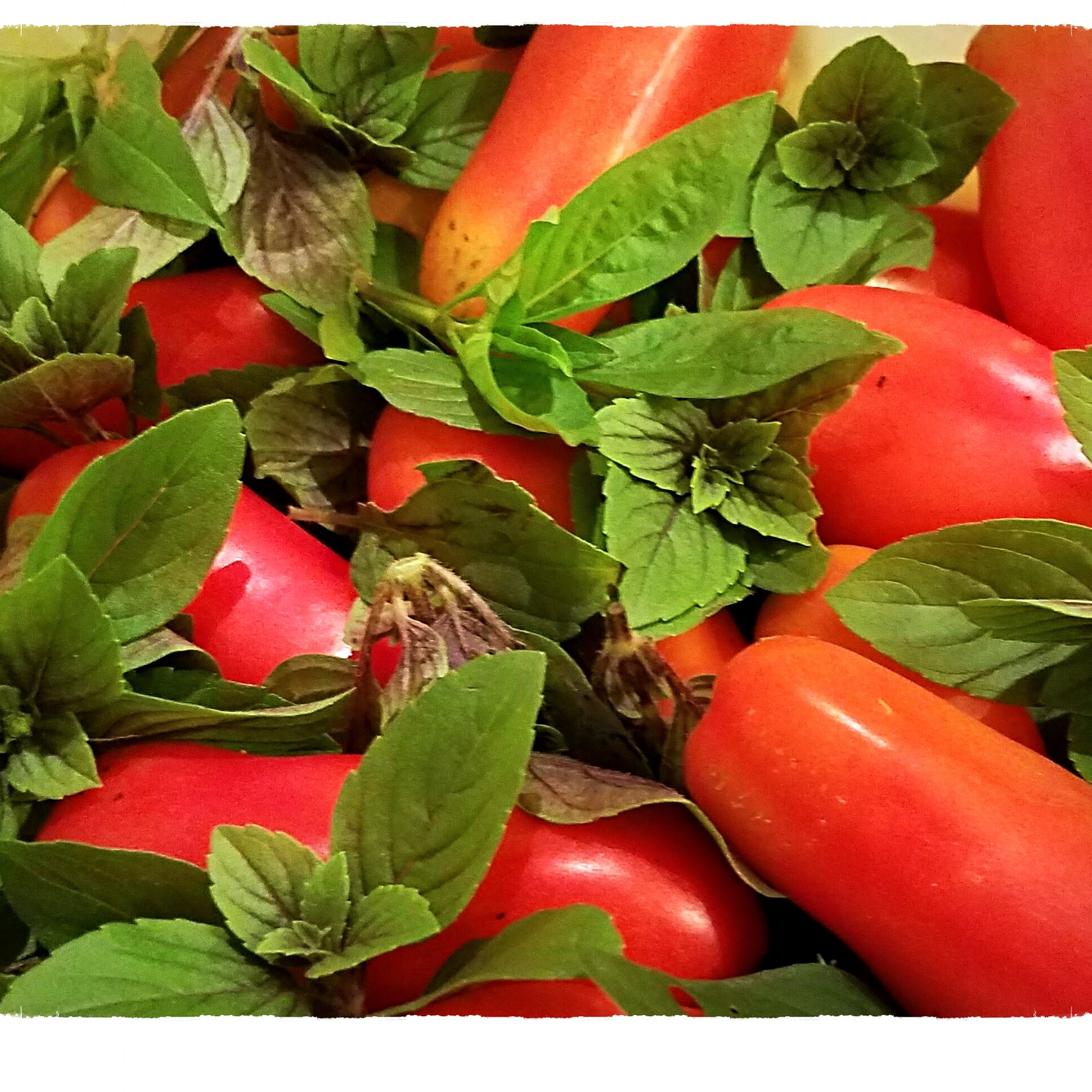
Above: San Marzano Tomatoes and Thai Basil

Below: Herb Pesto and a bit of Pico de Gallo sauteed with mushrooms.

So far this season, I have a little lettuce, thyme, oregano, parsley, basil cilantro, and an expanding mint patch. I still need to finsish areas for tomatoes, peppers, onions, lots of basil, and hopefully even watermelons…. and more flowers. I am a fan of edible landscape.

Mixing herbs and flowers and veggies can be a good thing. Consulting a companion planting chart might be wise if they will share soil. Essentially, some have researched the Native American practice of planting certain plants together that support each other’s growth. Tisquantum, also known by many as Squanto, acted as a lifesaving liaison to the pilgrims. Without his assistance and sharing his knowledge of companion planting and organic fertilization, food would have been much more sparse. What is referred to as the Three Sister’s Method involved planting corn, beans, and squash together for successful growth. Squanto also taught the new immigrants to plant fish with corn as natural fertilizer. People now also may use other organic material when planting such as egg shells and shrimp shells.

Above: Cayenne peppers

Below: Japanese Eggplant

Listed below are some common companion planting groupings:

Tomatoes/basil

Corn/squash/beans

Mint/peas

Onions/garlic

Garlic/roses

Some No-No’s/Plants that Don’t Play Well Together:

Dill doesn’t go by tomatoes, rosemary, sage, onions, peas

Tomatoes don’t go by corns, peas, beans, cucumbers, squash

Fennel doesn’t go with onions, parsley, asparagus, cucumbers, carrots, nasturtiums, marigolds

There are also some functional benefits to landscape gardens beyond beauty and food. Marigolds have been used for many years as a detourrant to wildlife eating gardens as well as mosquitoes when used as a border.

Below are a few plants and what they are known for repelling:

Marigolds- plant lice, mosquitoes, rabbits.

Above: Marigolds

Chrysanthemums- Ants, Japanese beetles, roaches, bed bugs, spider mites, silverfish, ticks, lice

Mint- spiders, ants, mosquitoes. (Will spread and take over an area quickly. Planters or separate patches are best.)

Below: Fresh Mint

Below: Basil-mosquitoes, houseflies

Citronella grass- mosquitoes and flying insects

Lavender-Gnats, mosquitoes

Chives-Japanese beetles

Petunias-beetles, leafhoppers, aphids, tomato worms

Above: Petunias

Bay leaves- flies, roaches

Garlic-beetles, root maggots, carrot root flies, moths,aphids

Rosemary-bugs

Above: Rosemary

I’m also a fan of repurposing or using unexpexted items as planters. A few things, usually at least tomatoes, tend to go directly into the ground when possible, but that also increases the prospects of weeds. I have previously turned old door frames and box springs into raised garden beds for more shallow-growing plants like my oregano, lettuce, and green onions.

In Southern Illinois, we are blessed to have a climate that allows us to grow many things. I am thankful for that opportunity.