Posted on Leave a comment

Chase Helicopters in the Wind. Pick Bananas in the Sun

As kids, my brother and I were fortunate to grow up on a farmette. Seeing the maple seeds fly off the trees and into the wind this week has brought back fond memories of creative play in the country.  Spring and summer outdoor play as a little kid in Southern Illinois was very special.

Those maple seeds, sometimes called whirlybirds or helicopters, were created by God as a brilliant twofer. Not only are they seeds that may grow with nurturing into solid trees, they are natural toys for kids, fur babies, and perhaps some adults. They look like little helicopters invading in a strong wind. There were actually so many landing hard and fast on our dogs’ deck the other day that they wanted to stay inside to play until their makeshift maple seed helipad had cleared…

As a kid, the maple seeds also doubled at playtime as banana bunches. My mom had an old,  long, white potting table in our backyard. We sometimes played mud bakery or restaurant there. We were pretty good at sourcing play food from the yard and large garden area. Salad was pretty easy to create from bread leafy weeds in the grass. Bark might be bread, and the dried, flaking mud in what were puddles became potato chips…

That type of creative play and outdoor activity in nature was healthy for us and our development. We were actually learning problem-solving skills out there debating the best way to make mud cake. I am sad that kids today do not seem to have as many opportunities to play unplugged as we did. I pray that during this time of sheltering at home that kids, and adults, who have not been able to experience the simple joys of nature and creative play will be able to do so. May we all experience the simple joys of chasing helicopters in the wind and picking bananas in the sun.

Posted on Leave a comment

How Does Your Garden Grow?

Since I had spent the past year kicking cancer’s butt, I didn’t grow as much fresh produce or herbs as I once did last summer. However, I did grow a few of my beloved San Marzano tomatoes (plants from the Carbondale Farmer’s Market,) basil, a bit of oregano and rosemary– and a lot of mint. This gave me some flavorful options: salsa, pestos, gazpacho, and more.

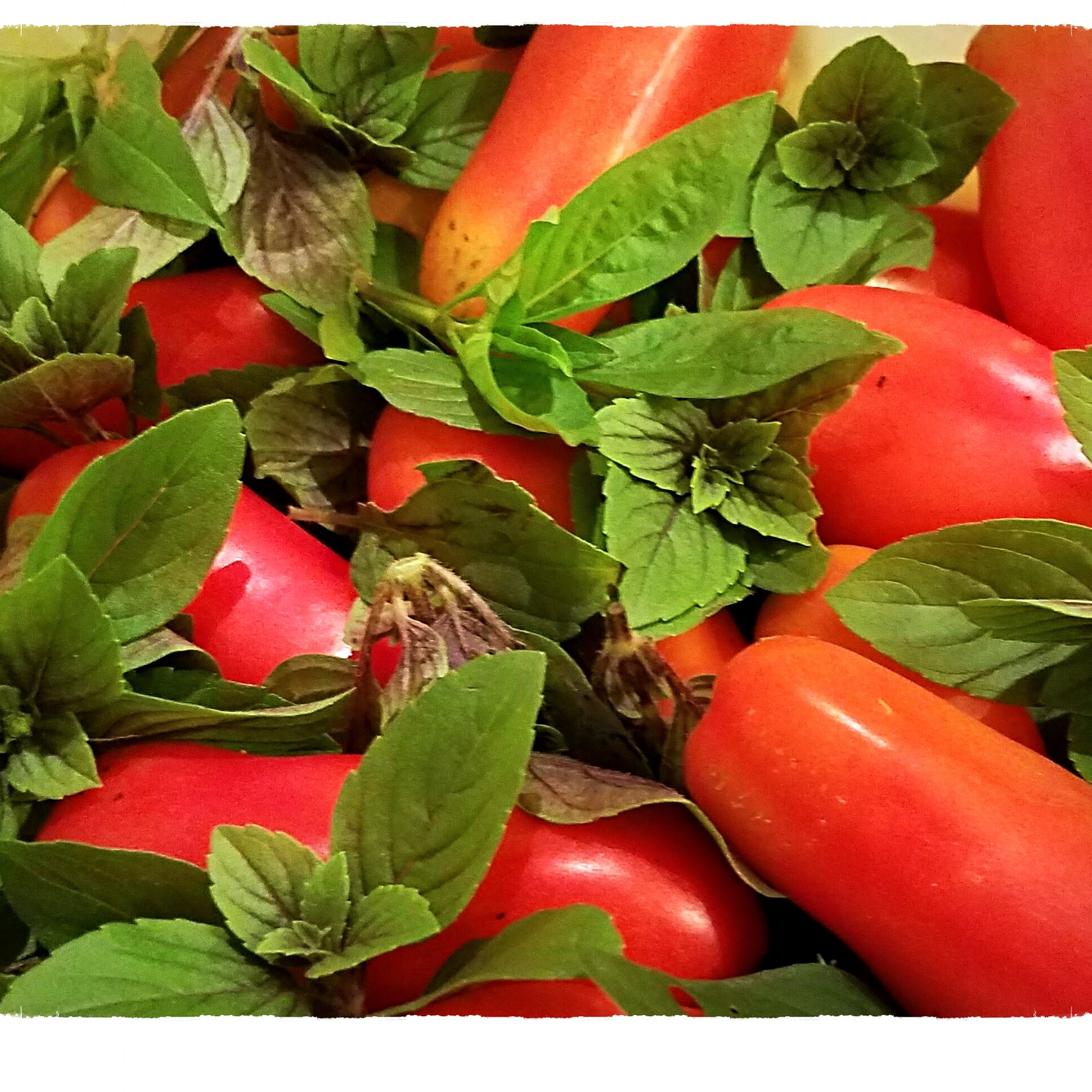
Above: San Marzano Tomatoes and Thai Basil

Below: Herb Pesto and a bit of Pico de Gallo sauteed with mushrooms.

So far this season, I have a little lettuce, thyme, oregano, parsley, basil cilantro, and an expanding mint patch. I still need to finsish areas for tomatoes, peppers, onions, lots of basil, and hopefully even watermelons…. and more flowers. I am a fan of edible landscape.

Mixing herbs and flowers and veggies can be a good thing. Consulting a companion planting chart might be wise if they will share soil. Essentially, some have researched the Native American practice of planting certain plants together that support each other’s growth. Tisquantum, also known by many as Squanto, acted as a lifesaving liaison to the pilgrims. Without his assistance and sharing his knowledge of companion planting and organic fertilization, food would have been much more sparse. What is referred to as the Three Sister’s Method involved planting corn, beans, and squash together for successful growth. Squanto also taught the new immigrants to plant fish with corn as natural fertilizer. People now also may use other organic material when planting such as egg shells and shrimp shells.

Above: Cayenne peppers

Below: Japanese Eggplant

Listed below are some common companion planting groupings:

Tomatoes/basil

Corn/squash/beans

Mint/peas

Onions/garlic

Garlic/roses

Some No-No’s/Plants that Don’t Play Well Together:

Dill doesn’t go by tomatoes, rosemary, sage, onions, peas

Tomatoes don’t go by corns, peas, beans, cucumbers, squash

Fennel doesn’t go with onions, parsley, asparagus, cucumbers, carrots, nasturtiums, marigolds

There are also some functional benefits to landscape gardens beyond beauty and food. Marigolds have been used for many years as a detourrant to wildlife eating gardens as well as mosquitoes when used as a border.

Below are a few plants and what they are known for repelling:

Marigolds- plant lice, mosquitoes, rabbits.

Above: Marigolds

Chrysanthemums- Ants, Japanese beetles, roaches, bed bugs, spider mites, silverfish, ticks, lice

Mint- spiders, ants, mosquitoes. (Will spread and take over an area quickly. Planters or separate patches are best.)

Below: Fresh Mint

Below: Basil-mosquitoes, houseflies

Citronella grass- mosquitoes and flying insects

Lavender-Gnats, mosquitoes

Chives-Japanese beetles

Petunias-beetles, leafhoppers, aphids, tomato worms

Above: Petunias

Bay leaves- flies, roaches

Garlic-beetles, root maggots, carrot root flies, moths,aphids

Rosemary-bugs

Above: Rosemary

I’m also a fan of repurposing or using unexpexted items as planters. A few things, usually at least tomatoes, tend to go directly into the ground when possible, but that also increases the prospects of weeds. I have previously turned old door frames and box springs into raised garden beds for more shallow-growing plants like my oregano, lettuce, and green onions.

In Southern Illinois, we are blessed to have a climate that allows us to grow many things. I am thankful for that opportunity.